
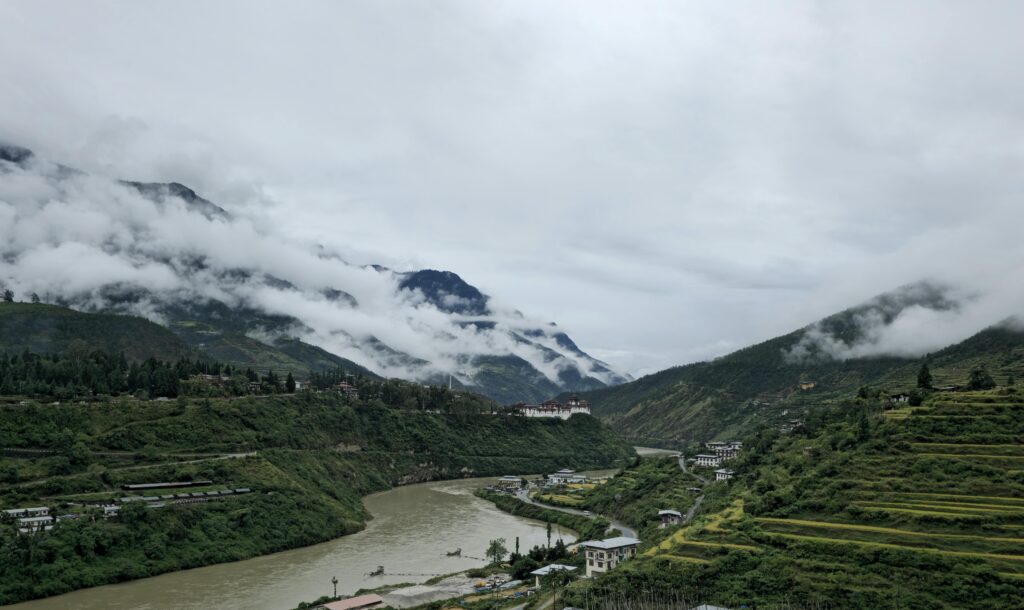
Discover the Beauty of Western Bhutan
Venture into the heart of Western Bhutan and uncover the untouched charm of the Haa Valley. Experience breathtaking mountain scenery, age-old monasteries, and vibrant cultural traditions. This journey offers a rare opportunity to explore Bhutan’s lesser-known treasures, creating memories that will last a lifetime.
Overview
8days/ 7 nights
Places covered: Thimphu, Paro, Punakha
Itinerary
Day 01: Airport to Thimphu
Upon arrival at Paro International Airport, you will be greeted by your local guide and driver who will accompany you throughout your journey in Bhutan. From Paro, embark on a scenic drive to Thimphu, the capital city of Bhutan.
After checking in at your designated hotel, and depending on your arrival time (as official sightseeing hours are from 9:00 AM to 5:00 PM, except for Tashichho Dzong, which can be visited after office hours), you may begin exploring some key attractions:
Buddha Dordenma (Buddha Point) – Visit one of the largest statues of Lord Buddha in the world, majestically overlooking Thimphu valley.
National Memorial Chorten – This iconic stupa was built in honor of Bhutan’s Third King, His Majesty Jigme Dorji Wangchuck, lovingly remembered as the “Father of Modern Bhutan.”
Thimphu City Exploration – Take a leisurely walk through the heart of the city to acclimate. Don’t miss the unique sight of a traffic police officer gracefully directing vehicles at the main junction—a charming feature in a city that proudly operates without traffic lights.
Overnight stay in Thimphu.
Day 02: Thimphu Sightseeing
After enjoying breakfast at your hotel, set out for a full day of sightseeing around Bhutan’s vibrant capital, Thimphu, exploring the following key landmarks:
Simtokha Dzong – In the Bhutanese language, Dzong refers to a fortress that serves both administrative and religious functions within each district. Simtokha Dzong holds historical significance as the first fortress built in Bhutan by Zhabdrung Ngawang Namgyal, the unifier of the nation.
Textile Museum – An academic and exhibition center dedicated to showcasing Bhutan’s rich textile heritage. It preserves and celebrates the unique weaving traditions found across the country.
Handmade Paper Factory – Discover the traditional art of paper-making at this factory where Desho, Bhutan’s indigenous handmade paper, is crafted using bark from the highland Daphne plant.
Kaja Throm – A vibrant local market initiated under the vision of His Majesty the Fifth King to support local artisans and farmers. Stroll through stalls offering fresh produce, handicrafts, and local snacks. Engage with vendors and get a glimpse into daily Bhutanese life.
Takin Preserve – Visit this wildlife sanctuary dedicated to protecting the Takin, Bhutan’s rare and unusual-looking national animal, which is found only in limited regions around the world.
Changlimithang Archery Ground – Experience Bhutan’s national sport, archery, at this historic ground. Watch local players skillfully shoot traditional bamboo bows and arrows, as well as modern compound bows, at targets placed an impressive 140 meters away.
Tashichho Dzong – This majestic fortress serves as the office of the King’s secretariat and the summer residence of the central monastic body. As it is open to visitors only after 5:00 PM, be sure to coordinate your visit with your guide accordingly.
Overnight stay in Thimphu.
Day 03: Thimphu - Punakha
After breakfast, check out from your hotel and begin your journey to Punakha, the former capital of Bhutan and the winter residence of the central monastic body. The scenic drive takes approximately 2 hours, passing through the beautiful Dochula Pass at an elevation of 3,000 meters. On clear days, this mountain pass offers spectacular panoramic views of the eastern Himalayas.
Upon arrival in Punakha, visit the following landmarks:
Chimi Lhakhang – Often referred to as the Fertility Temple, this sacred site was blessed by the revered saint Drukpa Kunley, known as the “Divine Madman” for his unconventional teachings. The temple is a popular pilgrimage destination, especially for couples seeking blessings for fertility.
Punakha Dzong – One of Bhutan’s most iconic fortresses, it was constructed in the 17th century by Zhabdrung Ngawang Namgyal. The Dzong once served as the first capital of Bhutan and remains a symbol of spiritual and historical importance. Nestled at the confluence of the Pho Chu and Mo Chu rivers, its architecture and setting make it a must-visit site.
Overnight stay in Punakha.
Day 04: Punakha - Phobjikha
After checking out from your hotel in Punakha, embark on a scenic drive to the serene Phobjikha Valley, a journey of approximately 3 hours. The route takes you through alpine mountain passes and open pastures, often dotted with yaks and other livestock, offering a glimpse into Bhutan’s rural charm.
Phobjikha is a stunning glacial valley known for its wide marshy plains and pristine natural beauty. It serves as an ideal winter habitat for the Black-necked Cranes, graceful migratory birds from the Tibetan Plateau, which are revered in Bhutanese culture and spirituality.
Upon arrival, visit the following attractions:
Gangtey Monastery (Gangtey Goemba) – This is the largest Nyingma monastery in western Bhutan and an important spiritual center in the valley. The monastery offers stunning views and a peaceful atmosphere ideal for reflection and exploration.
Nature Trail Hike – Enjoy a moderate 1.5-hour walk through a scenic blue pine forest, past quaint villages and open fields. During the winter months, you may be lucky enough to witness the elegant dances of the Black-necked Cranes, making this one of Bhutan’s most rewarding short hikes. The trail is situated at an altitude of around 3,000 meters above sea level.
After the hike, spend your leisure time relaxing at your hotel, exploring the surrounding village, or indulging in a traditional hot stone bath at a local farmhouse—an authentic Bhutanese wellness experience.
Overnight stay in Phobjikha.
Day 05: Phobjikha - Phobjikha
Plan A: Explore the Phobjikha Valley
Today, immerse yourself in the beauty and culture of the entire Phobjikha Valley with visits to the following sites:
Crane Information Center – Learn about the significance of the Black-necked Crane through detailed exhibits and documentary films that highlight the bird’s cultural and ecological importance.
Khewa Lhakhang – One of the oldest temples in the valley, this historic site offers a glimpse into the spiritual heritage of the region.
Shechen Nunnery – A Buddhist institute where women lead a disciplined, ascetic lifestyle dedicated to study and meditation.
Phobjikha Gewog Valley – Take a drive to the farthest reaches of the valley to explore rural village life. Meet locals, visit their farms, and experience traditional Bhutanese hospitality firsthand.
Plan B: For Hiking Enthusiasts
If you’re eager for a more active day, consider this hiking option:
Hike to Longtoed Valley – This ancient trade route, once used by nomads for exchanging goods and maintaining communication between Phobjikha and Longtoed, offers a rewarding trek through alpine forests of rhododendron and hemlock. The hike takes approximately 4 hours and ascends about 800 meters to the Kumbula Pass during the first part of the journey. The second phase involves descending into Longtoed Valley, passing through lush pastures inhabited by mountain yaks.
After completing the hike, return to Phobjikha and, time permitting, visit the sites listed in Plan A.
Overnight stay in Phobjikha.
Day 06: Phobjikha -Paro
Today, you will journey back to Paro by road, driving through the scenic valleys of Wangdue and Punakha, crossing the picturesque Dochula Pass once again.
Upon arrival in Paro, explore these notable sites:
National Museum – Originally constructed in the 17th century as a watchtower for Paro Dzong to defend against Tibetan invasions, this historic building was transformed into Bhutan’s National Museum by the Third King. It now houses an extensive collection of Bhutanese artifacts and cultural treasures.
Rinpung Dzong – Serving as the administrative and spiritual heart of Paro Valley, this majestic fortress exemplifies traditional Bhutanese architecture and houses both government offices and monastic institutions.
Kyichu Lhakhang – One of Bhutan’s oldest and most sacred temples, dating back to the 7th century. It remains an important pilgrimage site for Buddhists.
Paro Local Market – Take time to stroll through the bustling market and browse for authentic Bhutanese souvenirs, handicrafts, and local products.
Overnight stay in Paro.
Day 07: paro Taktshang
Dedicate your entire day to an unforgettable hiking adventure to Bhutan’s most iconic landmark—the Tiger’s Nest Monastery. Also known as Paro Taktsang, this breathtaking monastery is dramatically perched on a vertical granite cliff at an elevation of 3,120 meters in the Paro Valley.
Constructed in 1692, Tiger’s Nest is famed not only for its spectacular setting but also for its profound spiritual significance, linked to Guru Padmasambhava, who is said to have meditated here in the 8th century, introducing Buddhism to Bhutan.
No photograph or description can truly capture the awe of being here—gather your determination and immerse yourself fully in this once-in-a-lifetime experience, guaranteed to leave you breathless and inspired.
After your hike, enjoy some leisure time to relax. You may also choose to indulge in a traditional hot stone bath at a nearby farmhouse, a soothing way to unwind after the trek.
Overnight stay in Paro.
Day 08: Airport seeoff
As your unforgettable journey comes to a close, our team will arrange your transfer to the airport and assist you with your departure.
Thank you for choosing to travel with us. We hope you cherished every moment of this remarkable experience and look forward to welcoming you again on your next adventure.