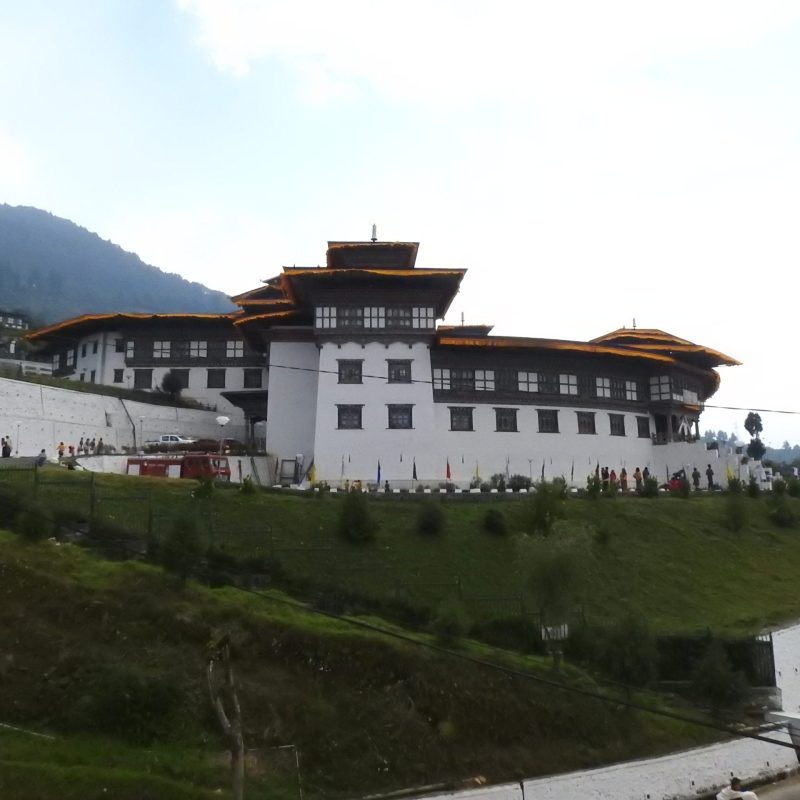
About Bhutan
Bhutan
The Kingdom of Bhutan: An Overview
Geography
Nestled in the lofty ridges of the eastern Himalayas, the Buddhist Kingdom of Bhutan shares its northern and northwestern borders with China (Tibet), while the Indian states of Arunachal Pradesh, Assam, West Bengal, and Sikkim lie to its east, south, and west.
Covering an area of 38,394 square kilometers, Bhutan is similar to Switzerland in both size and topography. The formidable Himalayas shielded Bhutan from external influences for centuries, allowing it to remain blissfully untouched by modern developments. The Drukpa Kagyupa school of Mahayana Buddhism forms the core of Bhutan’s rich cultural and historical tapestry. For generations, the Bhutanese have preserved this sacred heritage and unique identity by embracing isolation. With a population nearing 552,996, Bhutan is sparsely populated. Tourism was officially introduced in 1974 following the coronation of the Fourth King, His Majesty Jigme Singye Wangchuck, positioning Bhutan as one of the most exclusive tourist destinations in the world. The country retains its timeless charm, offering travelers an immersive experience through its ancient fortresses, monasteries, stupas, vibrant prayer flags, lush forests, glacial rivers, and—perhaps most memorably—the warmth and sincerity of its people. Every moment reveals the magical purity of a land its citizens have chosen to preserve.
History
Bhutan’s recorded history begins in the 8th century with the legendary arrival of Guru Padmasambhava, who is said to have flown from Tibet on the back of a tigress in 747 AD. He introduced the Tantric form of Mahayana Buddhism, which became a defining feature of Bhutanese spiritual life. In the early 17th century, Shabdrung Ngawang Namgyal, a revered religious leader, unified the country under the Drukpa Kagyupa sect. He established a legal framework and constructed dzongs to protect and govern the valleys.
By the late 19th century, Ugyen Wangchuck, then the Penlop (Governor) of Trongsa, consolidated power in central and eastern Bhutan and unified the nation once more. In 1907, he was unanimously proclaimed the first King of Bhutan, and the hereditary monarchy was established. In 1998, the Fourth King relinquished his executive powers to a Prime Minister and a cabinet of ministers. In 2006, he abdicated the throne in favor of his son, King Jigme Khesar Namgyel Wangchuck. Bhutan transitioned from an absolute to a constitutional monarchy in 2008, the centenary year of the monarchy, and held its first democratic elections—marking a pivotal moment in the nation’s political history.
Religion
Bhutan is the only remaining Mahayana Buddhist kingdom in the world, officially practicing the Tantric form of Buddhism. The majority of the population follows Buddhism, while communities of Nepalese and Indian descent primarily practice Hinduism. The Buddhist faith permeates every aspect of Bhutanese life. Even in urban settings, it is common to see people spinning prayer wheels, chanting mantras, or lighting butter lamps. Bhutan’s religious sites are not mere historical landmarks but vibrant centers of spiritual practice and devotion.
Flora & Fauna
Bhutan’s natural diversity stems from its three distinct climatic zones—the subtropical foothills, temperate central valleys, and alpine highlands. Historically referred to as the “Southern Valley of Medicinal Herbs,” Bhutan remains true to this name. The country is home to over 7,000 plant species, including the rare and revered Blue Poppy, Bhutan’s national flower. It is also a paradise for bird enthusiasts, boasting over 675 bird species, including the endangered Black-Necked Crane.
Traditional reverence for nature has made Bhutan a leader in environmental conservation, with over 70% of its land covered by forest. Numerous areas have been designated as wildlife sanctuaries and national parks, providing habitats for rare and endangered flora and fauna.
Cultural Heritage
Architecture
Bhutan’s architecture is one of its most defining cultural features. Structures such as stupas (chortens), stone walls, temples, monasteries, dzongs (fortresses), mansions, and homes reflect a consistent traditional aesthetic. This uniformity in design extends from ancient to modern buildings, giving Bhutan a harmonious architectural landscape. The massive dzongs, constructed in the 17th century without the use of blueprints or nails, are exceptional examples of Bhutanese engineering and artistry. These structures are adorned with vibrant patterns and intricate woodwork, reflecting the spiritual essence of Bhutanese culture.
Arts & Crafts
Art and craftsmanship are integral to Bhutan’s cultural identity. Passed down through generations, Bhutanese artisans have preserved their traditional skills through the “Zorig Chosum”—the thirteen traditional arts and crafts. These include woodworking, stone carving, sculpting, painting, blacksmithing, gold and silversmithing, weaving, embroidery and appliqué, bamboo and cane craft, papermaking, masonry, and leatherwork. Each craft is both a functional necessity and a spiritual expression.
Festivals
Bhutan’s annual religious festivals, known as tsechus, are celebrated in honor of Guru Padmasambhava, or Guru Rinpoche. The word tsechu means “tenth day,” as the Guru’s deeds are believed to have occurred on the tenth day of various months. These festivals span several days and feature religious mask dances, or chams, which fall into three categories: moral dramas, protective rituals, and celebratory dances depicting the triumph of Buddhism. Dancers, often monks or laymen, wear elaborate costumes of silk or brocade, along with ornate masks.
Atsaras—masked clowns symbolizing Indian spiritual masters known as Acharyas—play a special role by interacting with the audience through humor and satire. They provide comic relief and are uniquely permitted to mock religious practices. For the Bhutanese, attending these festivals is both a spiritual duty and a social occasion, offering a chance to earn merit, showcase their best attire, and reconnect with the community. Tsechus are held year-round at temples, dzongs, and monasteries across the country, offering visitors a captivating glimpse into Bhutanese spiritual life.
Gross National Happiness (GNH)
More than three decades ago, Bhutan’s Fourth King, His Majesty Jigme Singye Wangchuck, introduced the concept of Gross National Happiness (GNH) as an alternative to Gross National Product (GNP). GNH recognizes that true development encompasses more than economic growth—it must also address spiritual, emotional, and cultural well-being. Rooted in Buddhist values, GNH prioritizes the individual’s holistic happiness and asserts that material wealth alone cannot fulfill all human needs.
GNH is now a guiding principle in Bhutan’s development philosophy, ensuring that progress remains aligned with the nation’s cultural and spiritual values.
Place to Visit
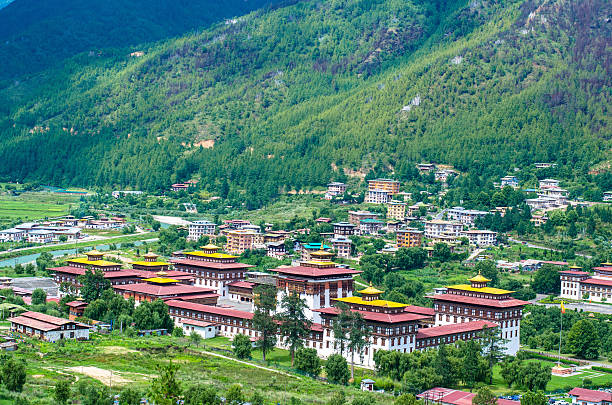
Thimphu
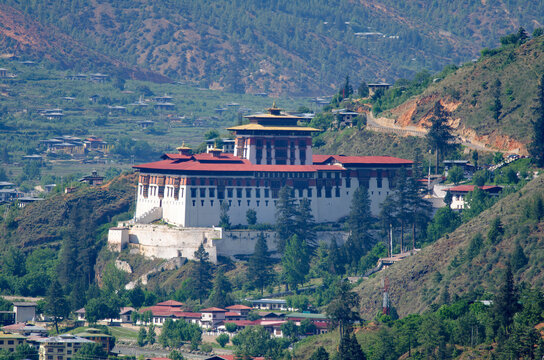
Paro
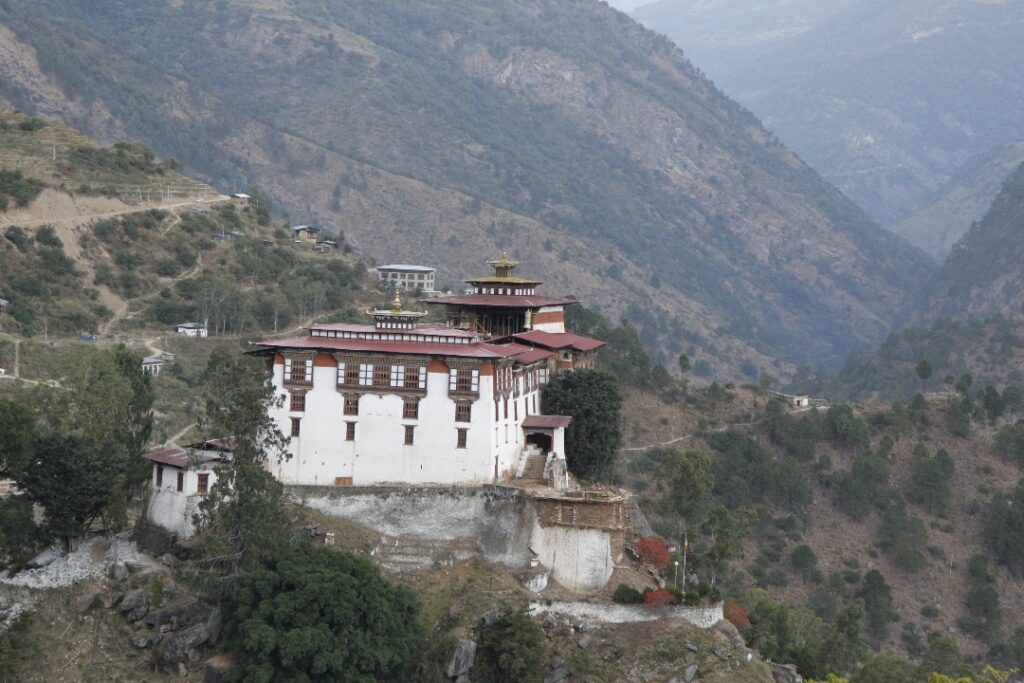
Lhuntshe
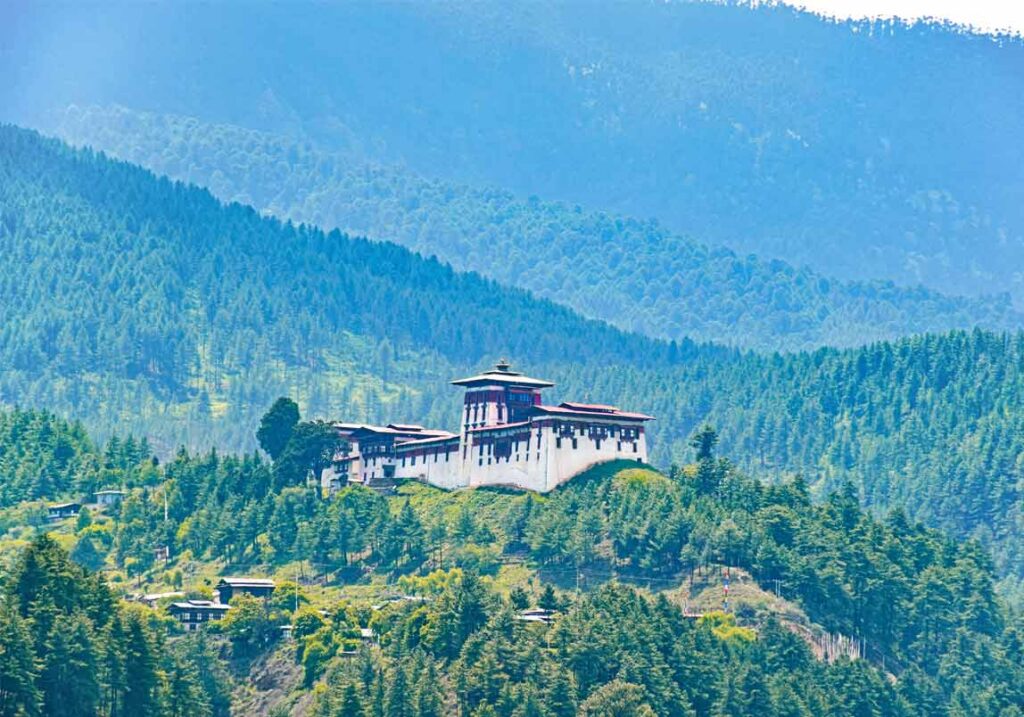
Bumthang
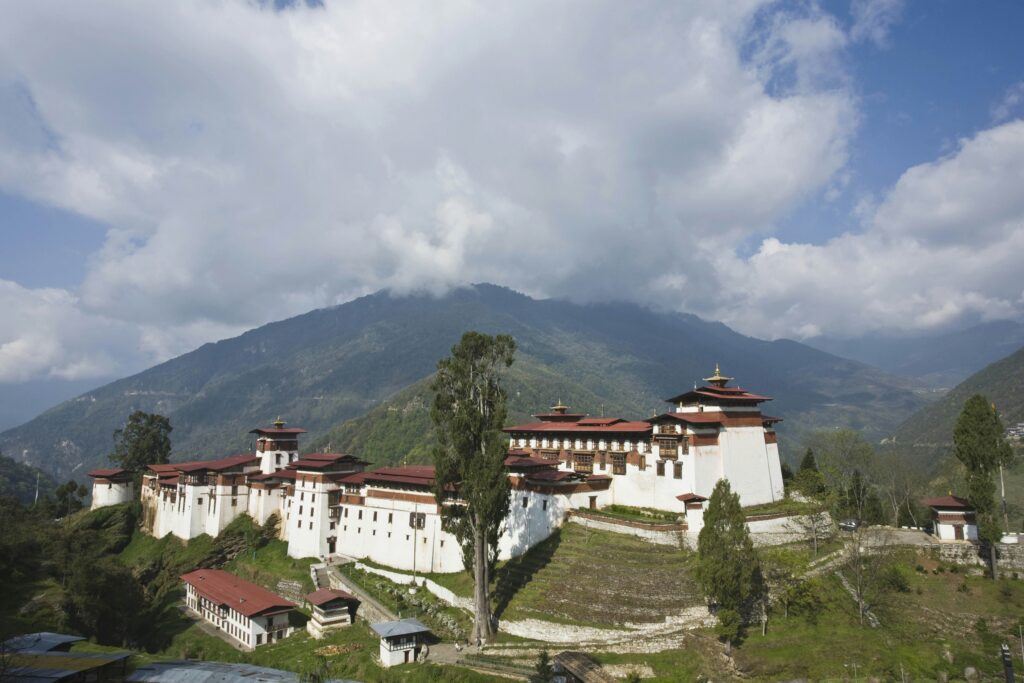
Trongsa
Mongar
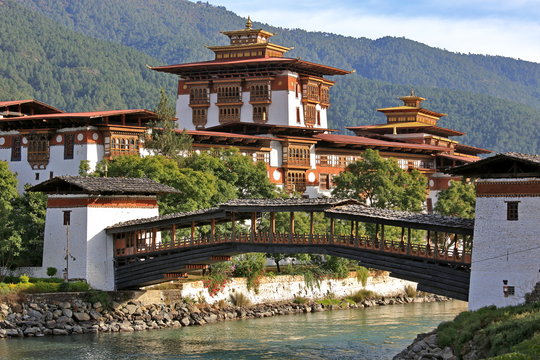
Punakha
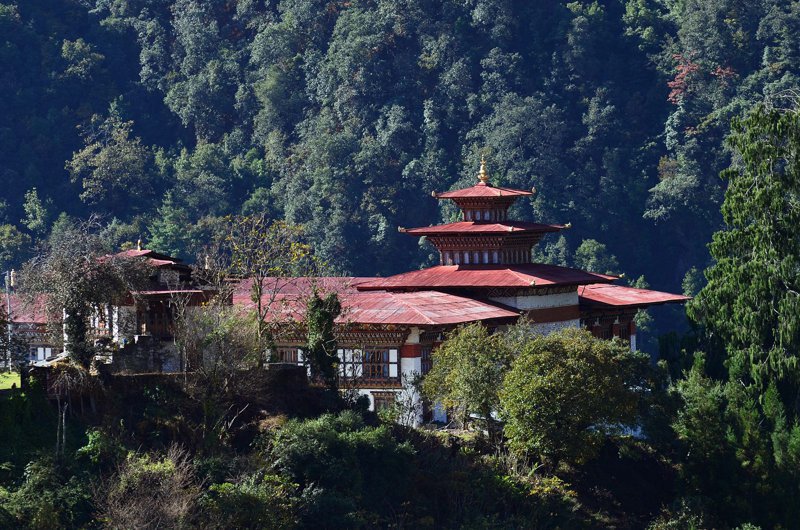
Trashiyangtse